The Industry's Hidden Crisis
Construction has the highest suicide rate of any industry in the UK. This is why — and what employers can actually do about it, from a speaker who has lived it and now takes the conversation on site.
The Reality on Site
Construction builds the country — but it is quietly losing its own people. Male construction workers are around three times more likely to die by suicide than the national male average, and industry bodies estimate that roughly two workers take their own life every working day. It is the highest suicide rate of any sector in the UK.
The reasons are woven into the job itself: long hours, physical danger, financial insecurity, weeks away from home, and a culture of toughness that treats asking for help as weakness. Add it up and you get a workforce under enormous pressure with very few places to turn.
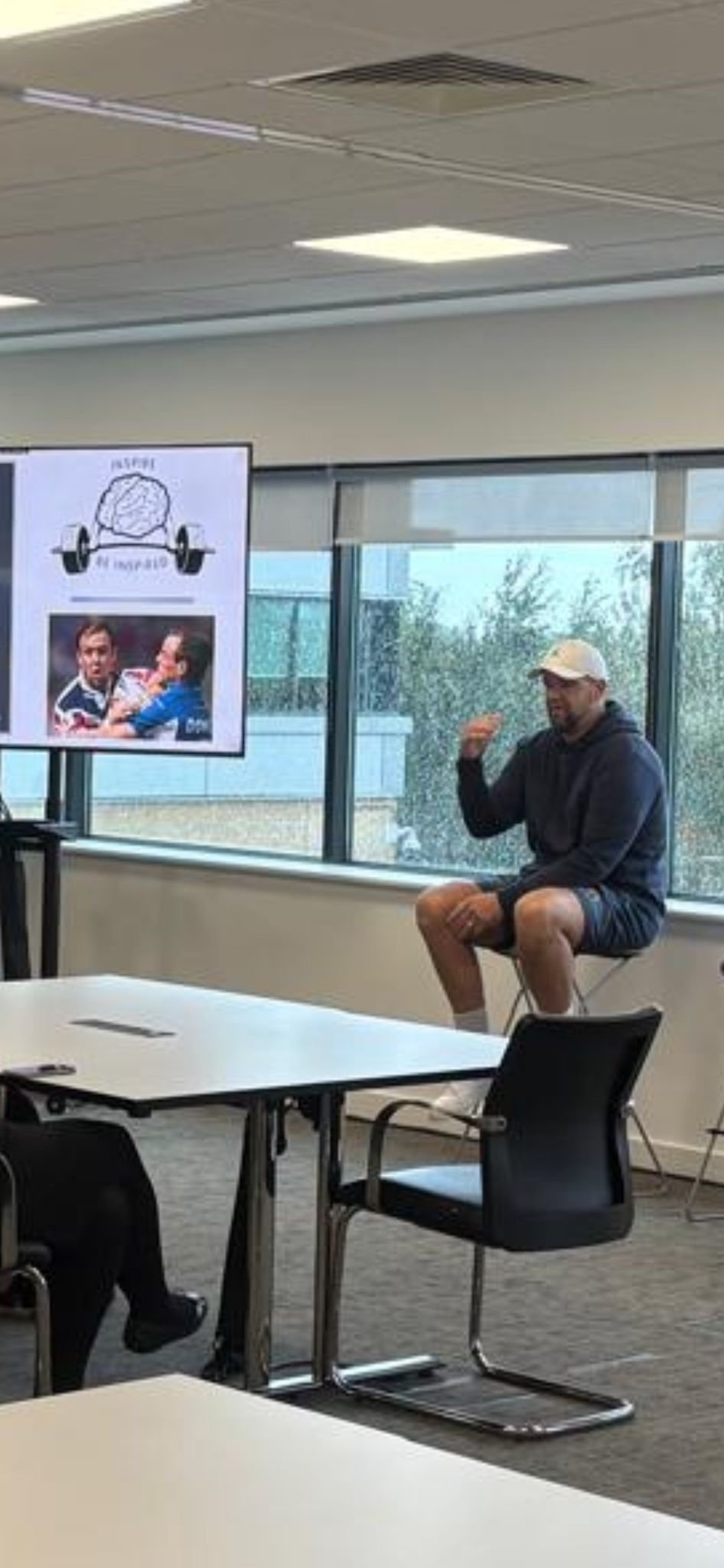
Danny Sculthorpe knows that world from the inside. A former professional rugby league player who came terrifyingly close to ending his own life, he now speaks to construction firms across the UK — not with a clipboard and a slide deck, but with his own story, told in language that lands with the people in the room. Workers who would never normally engage with a wellbeing session sit in silence, and then ask where they can get help. As a certified MHFA instructor, he can also leave a site with the training and structure to keep that conversation going.
The Numbers
more likely to die by suicide vs the national average (ONS)
construction workers lost to suicide every working day
highest suicide rate of any UK industry
How Danny Helps
Why Construction
A culture of toughness
The industry prizes being hard and getting on with it. Admitting you are struggling can feel like admitting you cannot do the job — so people stay silent until it is too late.
Relentless pressure
Long shifts, tight deadlines, physical exhaustion and the constant risk of injury take a steady toll on mental as well as physical health.
Insecurity and isolation
Short contracts, self-employment and travelling for work mean money worries and long stretches away from family, friends and any support network.
No one trained to spot it
On most sites there is a first aider for a cut hand, but no one equipped to notice the person quietly falling apart — or to know what to say.
The Fix
You cannot fix a culture with a poster. Real change on site comes from a few practical, repeatable things — the same layered approach that works for mental health in the workplace anywhere. Danny can help with all of them.
Short, on-site briefings that open up the conversation in language the workforce actually responds to — run as regularly as a safety talk.
See toolbox talks →Put trained mental health first aiders on site — people who can spot the warning signs, start the conversation and signpost real help.
MHFA training →A talk from someone who has been there cuts through where training alone cannot. Danny gets hardened crews talking — and asking for help.
Danny's construction talks →Break the taboo directly. Danny's suicide-prevention sessions give workers permission to speak — and mates the confidence to check in.
Suicide prevention →Move from a one-off event to an everyday habit where checking in on a mate is just part of how the site runs.
The power of talking →Not sure where to start? Tell Danny about your workforce and he'll help shape a programme that fits your sites and your budget.
Get in touch →Common Questions
Why is mental health such a problem in construction?
Construction combines long hours, physical danger, job insecurity, time away from home and a deep-rooted culture of toughness that discourages people from speaking up. Together these create the highest suicide rate of any UK industry.
How many construction workers die by suicide?
Male construction workers are around three times more likely to die by suicide than the national male average (ONS), and industry bodies estimate that roughly two construction workers take their own life every working day in the UK.
What can construction companies do about mental health?
The things that move the needle are practical and repeatable: regular mental health toolbox talks, trained MHFAiders and champions on site, managers equipped to spot and support struggling workers, clear signposting to help, and a speaker with lived experience to break the silence.
What is a mental health toolbox talk?
It is a short, informal briefing delivered on site — like a safety toolbox talk, but focused on mental wellbeing. It opens up conversation about stress, warning signs and where to get help, in language that works for a construction workforce.
Does Danny deliver on construction sites?
Yes. Danny goes on site — into the cabin and the canteen — as well as delivering keynotes at conferences and safety stand-downs. Sessions run from short toolbox talks to full MHFA training, in person or virtually, anywhere in the UK.
"I've seen Danny make hardened site managers cry — and then ask where they can get help. That's the measure of what he does."
Mental Health Lead — Major Construction FirmReady to Act?
Tell Danny about your workforce and his team will be back in touch within 24 hours.